
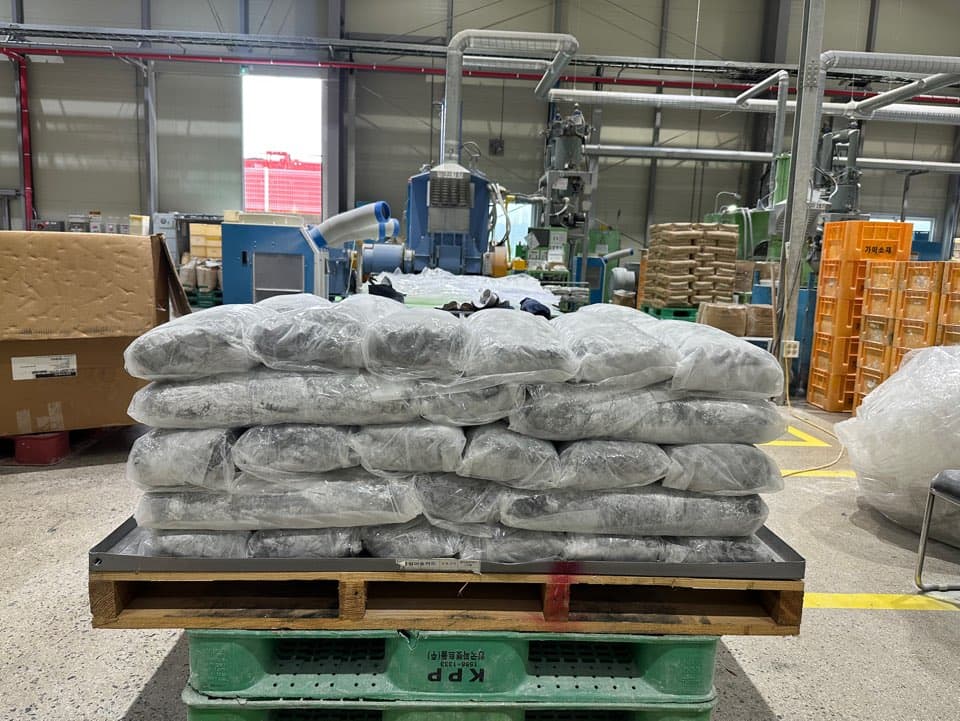
Butyl Compound
High-performance waterproof sealing raw material. Our flagship butyl rubber compound is formulated for superior adhesion, flexibility, and weather resistance across demanding industrial environments.
Key Specifications
| Temperature Range | -40°C to +120°C |
| Color | Black / Grey / Custom |
| Packaging | 20kg PE bag / 1,000kg pallet |
Product Overview
Garmy's Butyl Compound is a high-viscosity butyl rubber-based sealing material developed through 25+ years of formulation expertise. It is specifically designed for applications requiring superior moisture barrier performance, vibration dampening, and long-term adhesion. Used as the core raw material for butyl tapes, sheets, and sealants, our compound delivers consistent batch-to-batch quality verified under our IATF 16949 quality management system.
Key Features
- ✓Outstanding waterproof and moisture barrier performance
- ✓Excellent adhesion to metal, glass, concrete, and plastics
- ✓Wide operating temperature range: -40°C to +120°C
- ✓Custom formulation available for specific OEM requirements
- ✓IATF 16949 & ISO 9001 certified production process
- ✓Consistent quality — batch CoA (Certificate of Analysis) provided
- ✓Available in various viscosity grades and colors
Technical Specifications
All specifications tested per ASTM / KS standards. Custom formulations available upon request.
| Grade | Application | Specific Gravity | Peel Strength(N/25mm) | Heat Resistance | Cold Resistance |
|---|---|---|---|---|---|
| HY-1 | Self-adhesive waterproofing membrane | 1.45 ± 0.1 | 81.07 | 120°C | -40°C |
| HY-2 | Self-adhesive waterproofing membrane | 1.65 ± 0.1 | 58.91 | 120°C | -40°C |
| CN-1 | Self-adhesive waterproofing membrane | 1.40 ± 0.1 | 62.45 | 120°C | -40°C |
| CN-FR | Flame-Retardant membrane (UL94 V-0) | 1.45 ± 0.1 | 81.07 | 120°C | -40°C |
| SD-1 | Butyl waterproof tape | 1.65 ± 0.1 | 42.82 | 110°C | -40°C |
| S-3 | Butyl waterproof tape | 1.65 ± 0.1 | 36.86 | 110°C | -40°C |
Applicable Standards
Relevant test methods and compliance standards by region.
| Region | Standards |
|---|---|
| US / AU / UK |
|
| Australia |
|
| EU / Germany |
|
| Japan |
|
| Korea |
|
Industry Applications
Butyl Compound is trusted across major industries for its versatility and reliable performance.
Construction
Waterproofing and sealing applications for building envelopes and civil infrastructure
- •Window frame sealing tape
- •Rooftop waterproof membrane
- •Underground structure waterproofing
- •Curtain wall joint sealant
- •Expansion joint filler
Automotive
NVH reduction and sealing for vehicle body, engine bay, and interior components
- •Headlamp sealing compound
- •Door panel vibration damper
- •Trunk lid sealant
- •HVAC duct insulation
- •Underbody anti-chip coating
Electronics
Insulation and moisture protection for sensitive electronic assemblies
- •Cable joint insulation
- •Electrical enclosure sealing
- •PCB moisture barrier
- •Transformer potting compound
- •Connector waterproofing
Quality Certifications
All Garmy products are manufactured under internationally recognized quality management systems.
Related Technical Content
Learn more about this product through our technical articles and guides.

Butyl Compound Color Customization: Grey, White & Custom Pigments
Most butyl sealing compound is black for good engineering reasons. This guide explains what changes when you specify grey, white, or a custom colour — the UV-resistance trade-off of replacing carbon black, how colour stability is managed, and the MOQ, lead-time and colour-matching realities of a pigmented production run.

EN 1279 Insulating Glass Units: Choosing the Right Butyl Primary Seal
A technical guide to the butyl compound used as the primary (first) seal in EN 1279-compliant insulating glass units. Covers moisture vapour transmission, gas retention, and how IGU fabricators select a butyl grade that supports EN 1279 durability testing.

DIN 18542: Understanding the German Joint Sealing Tape Standard
A technical guide to DIN 18542, the German standard for pre-compressed impregnated foam and compressible sealing tapes used in window and facade joints, and how butyl-based compressible tape products relate to it. Written for procurement teams sourcing for the German and DACH construction market.
Related Products
Other solutions from our butyl rubber product line
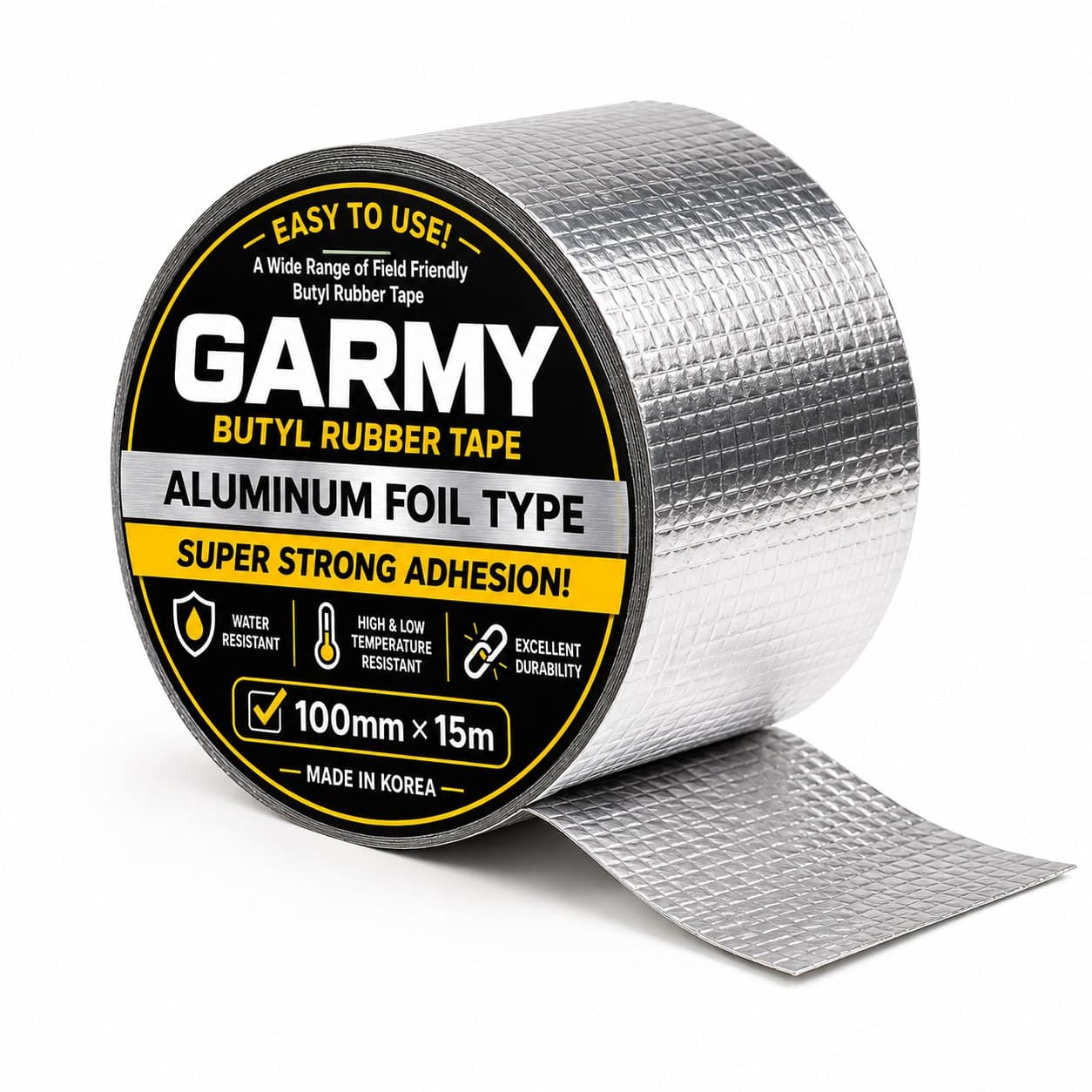
Butyl Tape
Self-adhesive waterproof sealing tape for window frames, roofing joints, and electronics insulation. Long-term UV and chemical resistance for demanding environments.
View Details →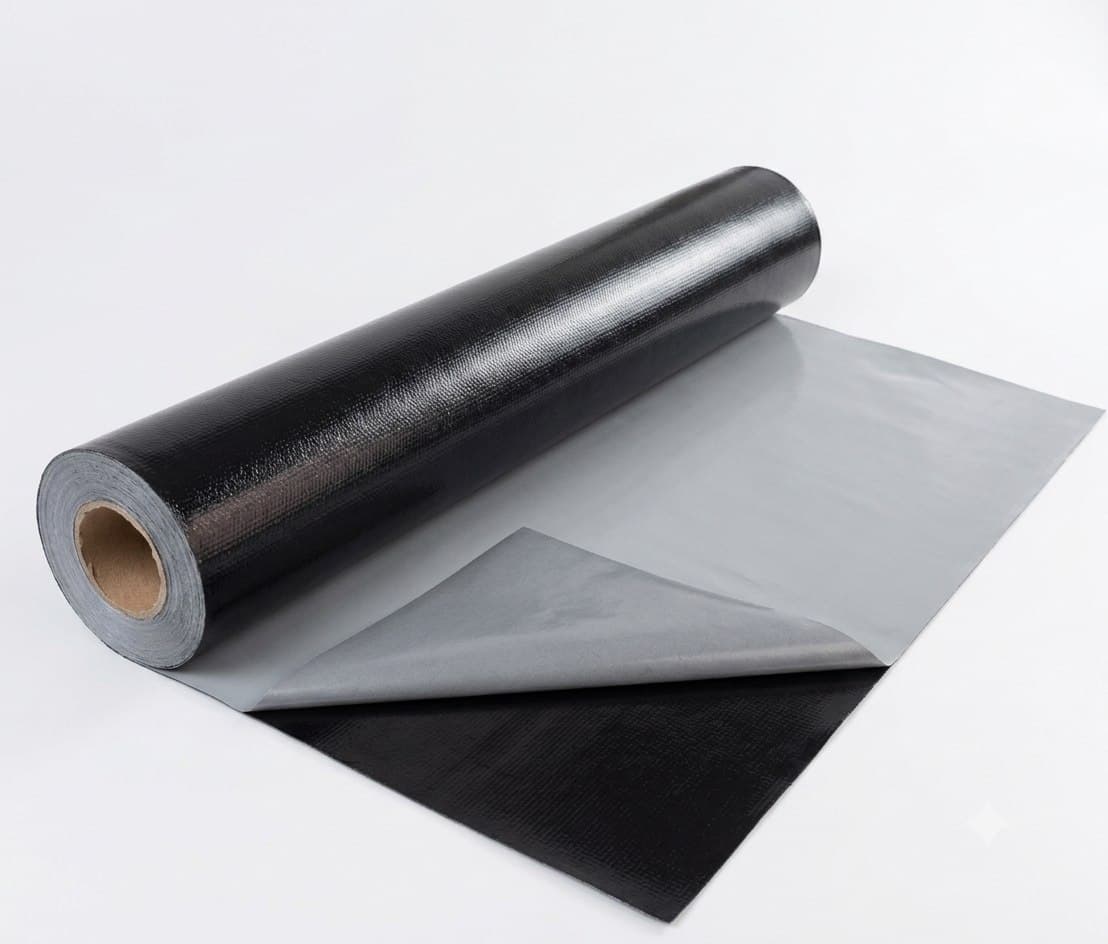
Self-adhesive Butyl Waterproofing Sheet
Self-adhesive waterproof sheet for building exterior walls, rooftops, and underground structures. Provides a continuous moisture barrier with exceptional peel strength and durability.
View Details →