Solar Panel Sealing: How Butyl Rubber Extends Module Lifespan
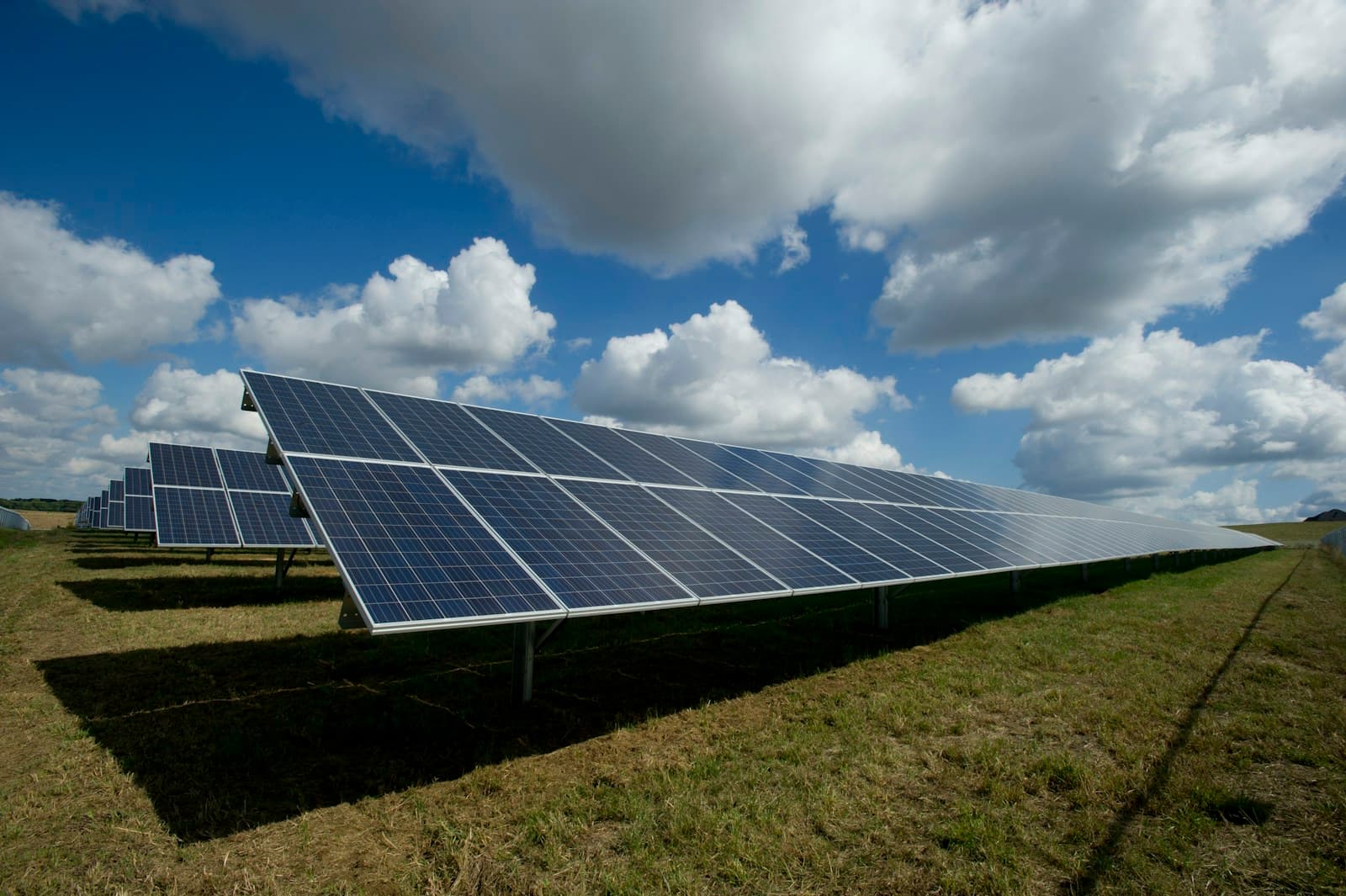
Learn how butyl rubber sealants protect solar PV modules from moisture ingress and extend their operational lifespan by 10–15 years. A guide for solar manufacturers and EPC contractors.
Why Moisture Is the Silent Killer of Solar Panels
Solar photovoltaic (PV) modules are designed to last 25–30 years, but moisture ingress remains the primary cause of premature degradation. When water vapor penetrates the module edge seal, it triggers a cascade of failure mechanisms: corrosion of cell interconnects, delamination of encapsulant layers, and potential-induced degradation (PID) that can reduce power output by 30% or more.
Butyl rubber — specifically polyisobutylene (PIB) based formulations — has emerged as the gold standard for solar panel edge sealing. Its molecular structure provides the lowest moisture vapor transmission rate (MVTR) among commercially available elastomers, making it uniquely suited to protect sensitive photovoltaic cells.
- MVTR Performance — PIB-based butyl sealants achieve MVTR below 0.3 g/m²/24h, outperforming silicone (2–5 g/m²/24h) and polyurethane (1–3 g/m²/24h)
- UV Stability — Butyl rubber maintains seal integrity under continuous UV exposure for 25+ years
- Temperature Cycling — Withstands daily thermal cycling from -40°C to +85°C without fatigue cracking
- Desiccant Integration — Advanced formulations incorporate molecular sieves to actively absorb residual moisture
| Sealant Type | MVTR (g/m²/24h) | UV Stability | Module Life Extension |
|---|---|---|---|
| PIB Butyl Rubber | < 0.3 | 25+ years | 10–15 years |
| Silicone | 2–5 | 20+ years | 3–5 years |
| Polyurethane | 1–3 | 10–15 years | 5–7 years |
| Hot-melt EVA | 5–10 | 15–20 years | Baseline |
Application Methods: Edge Sealant vs Butyl Tape for PV Modules
Solar panel manufacturers have two primary options for applying butyl rubber sealing: liquid/paste edge sealants dispensed by automated equipment, and pre-formed butyl tape applied manually or semi-automatically during frame assembly.
Quanex's SolarGain Edge Sealant LP03, a PIB butyl rubber adhesive with integrated desiccant, demonstrated that module lifespans can be extended by 10–15 years compared to conventional EVA-only encapsulation. This validates the commercial viability of butyl-based edge sealing for high-efficiency modules.
- Liquid PIB Sealant — Dispensed robotically along module edges during lamination. Provides highest precision and throughput for high-volume manufacturing
- Butyl Tape — Pre-formed tape applied between frame and glass during framing. Simpler equipment requirements, ideal for smaller-scale production
- Dual-Seal System — Combines PIB primary seal with silicone secondary seal for maximum protection in harsh environments
- High-volume factories → Automated PIB dispensing (0.5–1.0 second per edge)
- Mid-volume factories → Butyl tape with semi-automatic applicator
- Repair/retrofit → Butyl tape for field-applied edge resealing
Garmy supplies butyl compounds and tapes formulated for solar panel edge sealing with customizable width and thickness options.
Related Product
Butyl Tape
Custom-width butyl sealing tape for solar panel and construction applications
Market Growth: Renewable Energy Drives Butyl Demand
The global solar PV market is projected to install over 500 GW annually by 2028, creating massive demand for high-performance sealing materials. Each standard 72-cell module requires approximately 4 meters of edge sealant — translating to billions of meters of butyl sealant consumed annually.

This growth is particularly strong in the Asia-Pacific region, where South Korea, China, and Southeast Asian countries are expanding both solar installation capacity and module manufacturing. Korean butyl rubber compound manufacturers are well-positioned to serve this growing market with established quality systems and competitive pricing.
- Global solar installation — 500+ GW annually by 2028 (IEA projection)
- Edge sealant per module — Approximately 4 meters of butyl sealant
- Module warranty trend — Extending from 25 to 30+ years, increasing demand for premium sealants
- Bifacial modules — Require sealing on both sides, doubling butyl consumption per unit
| Region | 2025 Installation (GW) | 2028 Forecast (GW) | Growth Driver |
|---|---|---|---|
| Asia-Pacific | 280 | 350+ | China, India, ASEAN expansion |
| North America | 55 | 80+ | IRA incentives, utility-scale |
| Europe | 65 | 85+ | REPowerEU, rooftop mandates |
| Australia | 8 | 12+ | Rooftop PV leadership |
FAQ: Butyl Rubber for Solar Panel Sealing
Q: What is the difference between PIB and IIR butyl rubber for solar applications?
A: PIB (polyisobutylene) is the base polymer, while IIR (isobutylene-isoprene rubber) is a copolymer with a small percentage of isoprene for crosslinking capability. For solar edge sealing, PIB-based formulations are preferred because they offer the lowest MVTR and maintain flexibility without vulcanization.
Q: Can butyl tape be used for field repairs on existing solar panels?
A: Yes. Butyl tape is an excellent solution for field-applied edge resealing of modules that show early signs of moisture ingress. The tape can be applied without special equipment, making it practical for O&M teams to extend module life on site.
Q: How does butyl sealant interact with EVA encapsulant?
A: PIB butyl sealants are chemically compatible with EVA encapsulant films. The butyl edge seal creates a moisture barrier outside the EVA encapsulation, providing a complementary — not competing — layer of protection.
Q: What certifications should solar-grade butyl sealant carry?
A: Solar-grade butyl sealants should meet IEC 61215 and IEC 61730 reliability requirements. The sealant supplier should provide accelerated aging test data (damp heat 85°C/85% RH for 1,000+ hours) and thermal cycling data (-40°C to +85°C, 200+ cycles).
Ready to source the right butyl material for your application?
Get in Touch
Custom Quote · Sample Request · Technical Inquiry
25+ years of butyl rubber expertise to deliver the optimal sealing solution for your project.
Request a Quote →