
Importing Butyl Materials from Korea to Europe: A Buyer's Guide

A European importer's guide to sourcing butyl compound and butyl tape from Korean manufacturers — lead times, Incoterms selection, EU customs duty under the EU-Korea FTA, and the documentation checklist that keeps shipments clearing without delay.
What a European Buyer Needs to Plan Before the First Order
Sourcing butyl compound or butyl tape from a Korean manufacturer instead of a European or domestic supplier can deliver a meaningful cost and quality advantage, but the buyer side of the transaction carries its own planning requirements that don't apply to a local purchase order. The three variables that determine whether the first shipment goes smoothly are lead time, Incoterm selection, and duty treatment under the EU-Korea Free Trade Agreement.
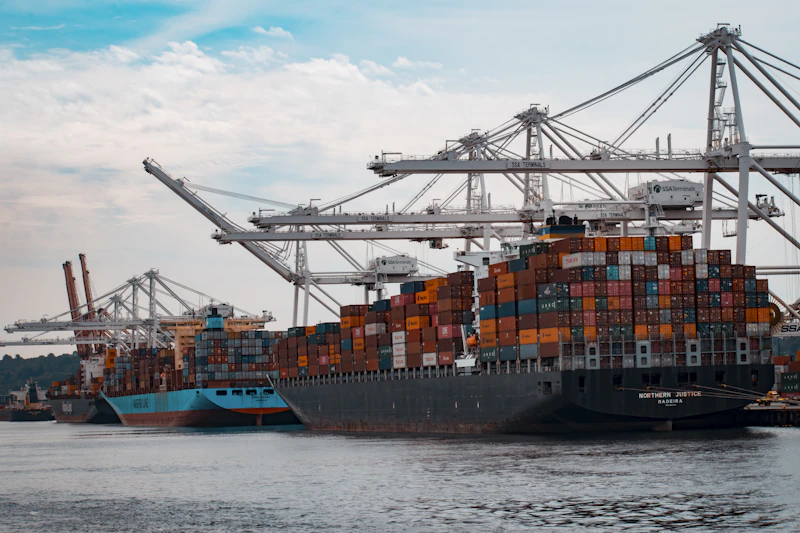
Ocean freight from South Korea (typically shipped from Busan) to major European ports — Rotterdam, Hamburg, Felixstowe, Antwerp — usually runs 30–40 days transit, plus manufacturing lead time on the Korean side. For a standard butyl compound or tape order from an established supplier, total lead time from purchase order to arrival at a European port commonly falls in the 6–10 week range, depending on whether the order is from standard stock or requires a production run. Buyers evaluating a new Korean supplier for the first time should build this lead time into their inventory planning from the outset — air freight is available for urgent trial quantities but is not economical for standard bulk orders of a commodity raw material.
- Sample and qualification phase — most European buyers request 1–5kg sample quantities by courier (3–7 days) before committing to a full container order
- First production order — allow additional lead time beyond standard shipping for a first-time production run, particularly for custom formulations or color-matched compound
- Reorder cycle — once qualified, many European buyers move to scheduled reorders (quarterly or based on safety stock triggers) to smooth the 6–10 week pipeline into predictable delivery
- Port and inland transport — factor in 3–10 additional days for customs clearance and inland delivery from the European port of entry to the buyer's facility
Incoterms and EU-Korea FTA Duty Relief
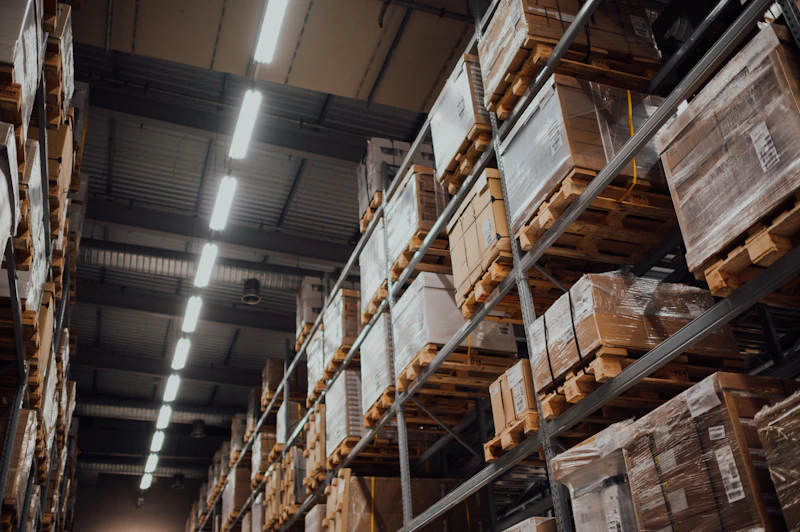
Incoterm selection determines exactly where cost and risk transfer from the Korean seller to the European buyer, and it materially affects the buyer's total landed cost calculation — not just the invoice price.
| Incoterm | Seller Responsibility Ends At | Buyer Responsibility Begins At | Common Use Case |
|---|---|---|---|
| FOB (Free on Board) | Goods loaded on vessel at Busan | Ocean freight, insurance, EU customs, inland transport | Buyers with established freight forwarder relationships |
| CIF (Cost, Insurance, Freight) | Goods at named European port, insured | EU customs clearance, inland transport | First-time buyers wanting a simpler cost structure |
| DAP (Delivered at Place) | Goods at buyer's named location, pre-customs | Import customs clearance and duty payment only | Buyers wanting minimal logistics coordination |
| EXW (Ex Works) | Goods available at Korean factory gate | Everything — export clearance, freight, EU import, inland | Buyers with an existing China/Asia logistics network |
On the duty side, butyl compound and butyl tape typically fall under HS heading 4005 or 4008 (unvulcanised/vulcanised rubber compounds and articles), and — this is the detail many first-time buyers miss — the EU-Korea Free Trade Agreement, in force since 2011, eliminates or substantially reduces the MFN (most-favoured-nation) customs duty that would otherwise apply, provided the shipment is accompanied by the correct proof of Korean origin (typically a statement on origin from an approved/registered exporter, per the agreement's origin procedures). Buyers should confirm two things with any Korean supplier before finalizing a contract: (1) whether the supplier is a registered exporter able to issue a valid statement on origin, and (2) the exact HS code the supplier declares, since duty treatment and any applicable anti-dumping measures are code-specific.
- Request the supplier's REX (Registered Exporter) number or equivalent origin registration before the first order
- Confirm the HS code the supplier will declare on the commercial invoice matches your customs broker's classification
- Clarify whether the quoted price is FOB, CIF, DAP, or EXW, and calculate total landed cost including freight, insurance, and any residual duty accordingly
- Ask for a pre-shipment Certificate of Analysis (CoA) alongside commercial documents — this is separate from customs paperwork but is standard practice for quality-sensitive raw material imports
Evaluating Korean butyl compound or tape for your European supply chain? Garmy's export team handles Incoterms, FTA origin documentation, and CoA provision as standard practice.
Related Product
Butyl Compound & Butyl Tape
Export-ready raw compound and finished tape with full CoA and origin documentation for EU import
Documentation Checklist and Reducing Clearance Delays
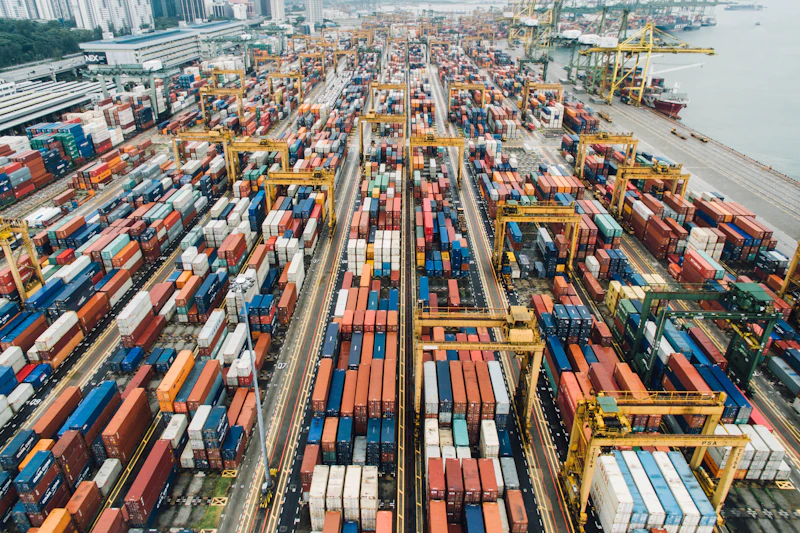
The most common cause of customs delay for European importers of Korean raw materials is not the duty calculation itself but incomplete or mismatched documentation between the commercial invoice, packing list, bill of lading, and (where applicable) the statement on origin. Building a documentation checklist into the purchase order process avoids the majority of first-shipment delays.
- Commercial invoice — must match the packing list exactly on quantity, weight, and HS code; discrepancies are the single most common cause of a customs hold
- Packing list — pallet count, net/gross weight per pallet, and packaging type (20kg PE bag, 1,000kg pallet is Garmy's standard) should be stated clearly for both freight planning and customs
- Bill of lading — confirm consignee details match your company's exact legal registration to avoid delivery hold-ups at the destination port
- Statement on origin — required to claim EU-Korea FTA preferential duty; must be issued per the agreement's specific format and exporter registration requirements
- Certificate of Analysis (CoA) — not a customs document, but standard for raw material buyers to verify batch quality against spec before or upon arrival
- Safety Data Sheet (SDS) — required for EU REACH compliance and warehouse handling; confirm the supplier provides an EU-format SDS, not just a Korean or US version
For buyers new to importing from Korea, working with a freight forwarder experienced in Korea–Europe rubber/chemical raw material shipments — rather than a generalist forwarder — significantly reduces first-shipment friction, since HS classification nuances and FTA origin paperwork for rubber compounds are a specialised area within customs brokerage.
FAQ: Importing Butyl Materials from Korea to Europe
Q: What duty rate applies to Korean butyl compound imports under the EU-Korea FTA?
A: Duty treatment depends on the specific HS code and current tariff schedule at time of import; the EU-Korea FTA has progressively eliminated tariffs on most industrial rubber compound and tape classifications since entering into force in 2011. Confirm current applicable rates with your customs broker using the exact HS code your supplier declares, and request the supplier's proof of Korean origin to claim preferential treatment.
Q: How far in advance should a European buyer place a first order with a new Korean supplier?
A: Plan for 6–10 weeks from purchase order to arrival at a European port for a standard production and shipping cycle, plus additional time for sample qualification if this is the first engagement with the supplier. Buyers with tight project timelines should start supplier qualification and sampling well before the material is needed on site.
Q: Is FOB or CIF better for a first-time European buyer sourcing from Korea?
A: CIF is often simpler for a first-time buyer because the seller arranges freight and insurance to a named European port, reducing the number of parties the buyer needs to coordinate directly. FOB can offer better freight rates for buyers who already have an established forwarder relationship and want more control over routing.
Q: Does Garmy provide EU REACH-compliant Safety Data Sheets?
A: Yes — Garmy provides SDS documentation in EU REACH format for European buyers, in addition to standard CoA and origin documentation, as part of standard export practice.
Q: What's the minimum order quantity for a first import shipment?
A: Standard compound grades ship in 20kg PE bags on 1,000kg pallets, with a 1-pallet minimum for trial or first orders; full container loads are typical for established reorder cycles once a European buyer has completed sample qualification.
Ready to source the right butyl material for your European supply chain?
Get in Touch
Custom Quote · Sample Request · Technical Inquiry
25+ years of butyl rubber manufacturing and export expertise, with EU-ready documentation from your first sample order.
Request a Quote →
