
Butyl Tape for Caravan & Motorhome Sealing: A UK/EU Guide

Why butyl tape is the standard choice for caravan and motorhome roof seams, rooflight surrounds, and solar panel mounting across the UK and Europe — including why it outperforms silicone sealant on GRP and aluminium panel joints.
Why Butyl Tape Is the UK Caravan and Motorhome Trade Standard
Ask any experienced UK caravan or motorhome workshop what they use to reseal a roof seam, rooflight, or awning rail, and the answer is almost always butyl tape — not silicone sealant. This is not tradition for its own sake; it reflects decades of warranty claims and roof failures traced back to silicone's specific weaknesses on leisure vehicle construction.
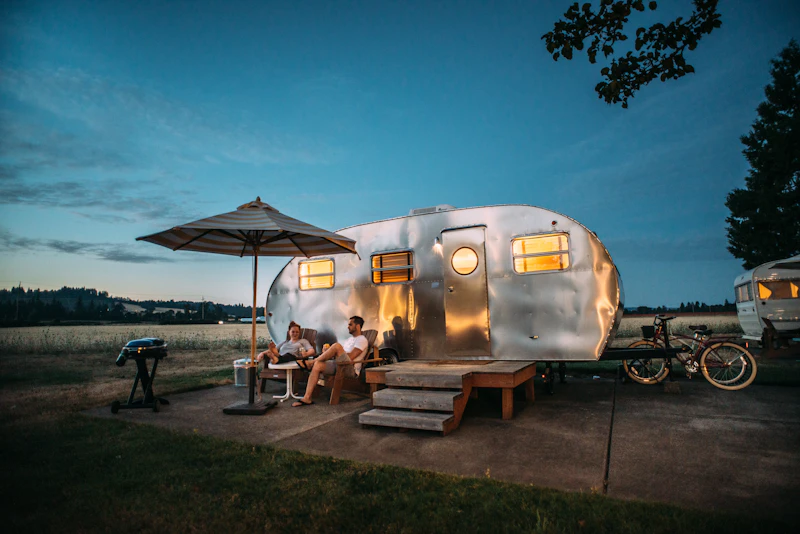
Caravan and motorhome bodies are built from GRP (glass-reinforced plastic) panels, aluminium sheet, and timber or composite framing, bonded and riveted together with dozens of joints exposed to UK and European weather: UV, rain, road vibration, and the thermal expansion mismatch between aluminium skin and timber frame. A sealant at these joints has to stay flexible and adhesive for years without shrinking, cracking, or losing bond as the body flexes on the road.
- Roof seams and panel joints — where roof sheet overlaps side panels, a butyl tape strip forms a permanent, flexible seal that tolerates ongoing body flex
- Rooflight and vent surrounds — a common leak point where the plastic rooflight frame meets the GRP or aluminium roof skin
- Awning rail and locker seams — screwed-on fittings puncture the roof or body skin repeatedly along their length; butyl under the rail seals each fixing point
- Solar panel and roof accessory mounting — an increasingly common retrofit task as more owners add solar to caravans and motorhomes for off-grid touring
Because a leisure vehicle roof is walked on rarely and inspected even less often, a joint that starts failing silently can cause hidden water ingress into the roof structure and wall cavities for months before it's visible inside — this is why UK caravan clubs and manufacturers alike treat annual roof seal inspection (and butyl-based resealing where needed) as standard maintenance practice.
Butyl Tape vs. Silicone Sealant: The Technical Case for Leisure Vehicle Roofs
Silicone sealant is cheap, widely available, and easy to apply with a gun — which is exactly why it's often used incorrectly on caravan and motorhome roofs by owners doing DIY resealing. The problem is silicone's specific failure mode on GRP and painted aluminium: it shrinks slightly as it cures, it can lose adhesion when reapplied over old silicone residue (silicone does not bond well to itself), and it hardens over time rather than remaining plastically deformable.
| Property | Silicone Sealant | Butyl Tape |
|---|---|---|
| Bond to itself (resealing over old material) | Poor — must remove all old silicone first | Good — new butyl bonds to residual butyl film |
| Cure/shrinkage | Shrinks slightly during cure, can crack at edges | No cure required — no shrinkage, immediate seal |
| Long-term flexibility | Hardens with age and UV exposure | Remains plastic and flexible for years |
| Gap-filling on uneven joints | Limited without a backer rod | Excellent — conforms to panel steps and rivet heads |
| Application skill required | Consistent bead needs practice | Low — press and roll, consistent thickness from the roll |
The practical consequence shows up at resealing time: a caravan roof resealed with silicone over old silicone residue is prone to early adhesion failure, while butyl tape applied over a cleaned, degreased surface — including over remnants of old butyl, which shares the same base chemistry — bonds reliably. This is a major reason why professional resealing services in the UK caravan trade default to butyl tape rather than silicone for roof seam work, reserving silicone (or purpose-made caravan sealant) mainly for cosmetic finish beading rather than the structural weather seal itself.
- Full roof reseal — remove loose/failed old sealant, clean the joint, apply butyl tape along the full seam length for a continuous weatherproof strip
- Rooflight/vent resealing — butyl tape under the frame flange, compressed evenly by the mounting screws, outperforms a silicone bead alone
- Solar panel retrofit mounting — butyl tape or pads under mounting feet distribute load and seal each fixing screw penetration without needing a full silicone bead around the panel perimeter
- Awning rail reseal — butyl strip laid under the rail before re-screwing seals dozens of fixing points in one continuous pass
Looking for butyl tape in narrow widths suited to caravan and motorhome seam work?
Related Product
Butyl Tape — Construction & Leisure Vehicle Grade
Self-adhesive tape available in 15–300mm widths for roof seams, rooflight surrounds, and accessory mounting
DIY and Aftermarket Practice: Getting the Reseal Right
The UK caravan and motorhome aftermarket is large — annual roof seal inspection and resealing is one of the most searched maintenance topics among owners, and it's also a standard line item for workshops and converters building campervan conversions from panel vans. Getting the detail right matters both for owner-DIY jobs and for aftermarket professionals working to warranty standards.

- Surface prep is everything — degrease the joint area with isopropyl alcohol or a dedicated panel cleaner before applying tape; residual wax or polish is the most common cause of adhesion failure on GRP panels
- Overlap, don't butt-join — where two tape runs meet, overlap by at least 20–30mm rather than butting the ends together
- Roller compaction — a seam roller gives far more consistent contact pressure than thumb pressure alone, especially over rivet heads and panel steps common on caravan bodies
- Cold-weather storage and application — for UK winter resealing jobs, keep the tape roll warm before use; cold butyl is stiffer and harder to conform to irregular surfaces
For campervan conversion workshops fitting rooflights, solar panels, and roof racks into van roofs as standard build items, sourcing butyl tape in bulk rolls at consistent width and thickness — rather than small retail packs — is usually the more economical and consistent choice once volume passes a handful of vehicles per month.
FAQ: Butyl Tape for Caravan and Motorhome Sealing
Q: Can butyl tape be applied over old silicone sealant residue?
A: Not reliably — silicone residue prevents proper adhesion for almost any sealant, including butyl. Old silicone must be fully removed (mechanically and with a silicone-specific solvent wipe) before applying butyl tape. This is one of the most common causes of reseal failure reported by UK caravan workshops.
Q: How long does a butyl tape roof reseal typically last on a caravan?
A: Properly applied butyl tape on a clean, degreased joint commonly performs for many years under normal UK/European weather exposure, though annual visual inspection remains standard practice across the caravan trade regardless of sealant type, since UV, road vibration, and panel movement are ongoing stresses on any roof seal.
Q: Is butyl tape suitable for sealing solar panel mounting brackets on a motorhome roof?
A: Yes — butyl tape or butyl pads under mounting feet and around fixing screws are a standard method for solar retrofit installers, distributing load and sealing each penetration without requiring a full silicone bead around the panel edge.
Q: What tape width is best for caravan roof seam work?
A: Narrower widths (25–50mm) suit most roof seams, rooflight surrounds, and awning rails; wider format (75–100mm+) is occasionally used for larger panel overlaps or where a wider weather-seal margin is specified.
Q: Does butyl tape work on both GRP and aluminium caravan roof panels?
A: Yes — butyl tape adheres reliably to both GRP (glass-reinforced plastic) and clean, degreased aluminium sheet, which is one reason it's the default choice across mixed-material caravan and motorhome bodies rather than needing a different sealant per substrate.
Ready to source the right butyl tape for your caravan or motorhome workshop?
Get in Touch
Custom Quote · Sample Request · Technical Inquiry
25+ years of butyl rubber expertise and IATF 16949 quality to deliver the optimal sealing material for your project.
Request a Quote →
