
Butyl Rubber Supply Chain Localization & Nearshoring Trends
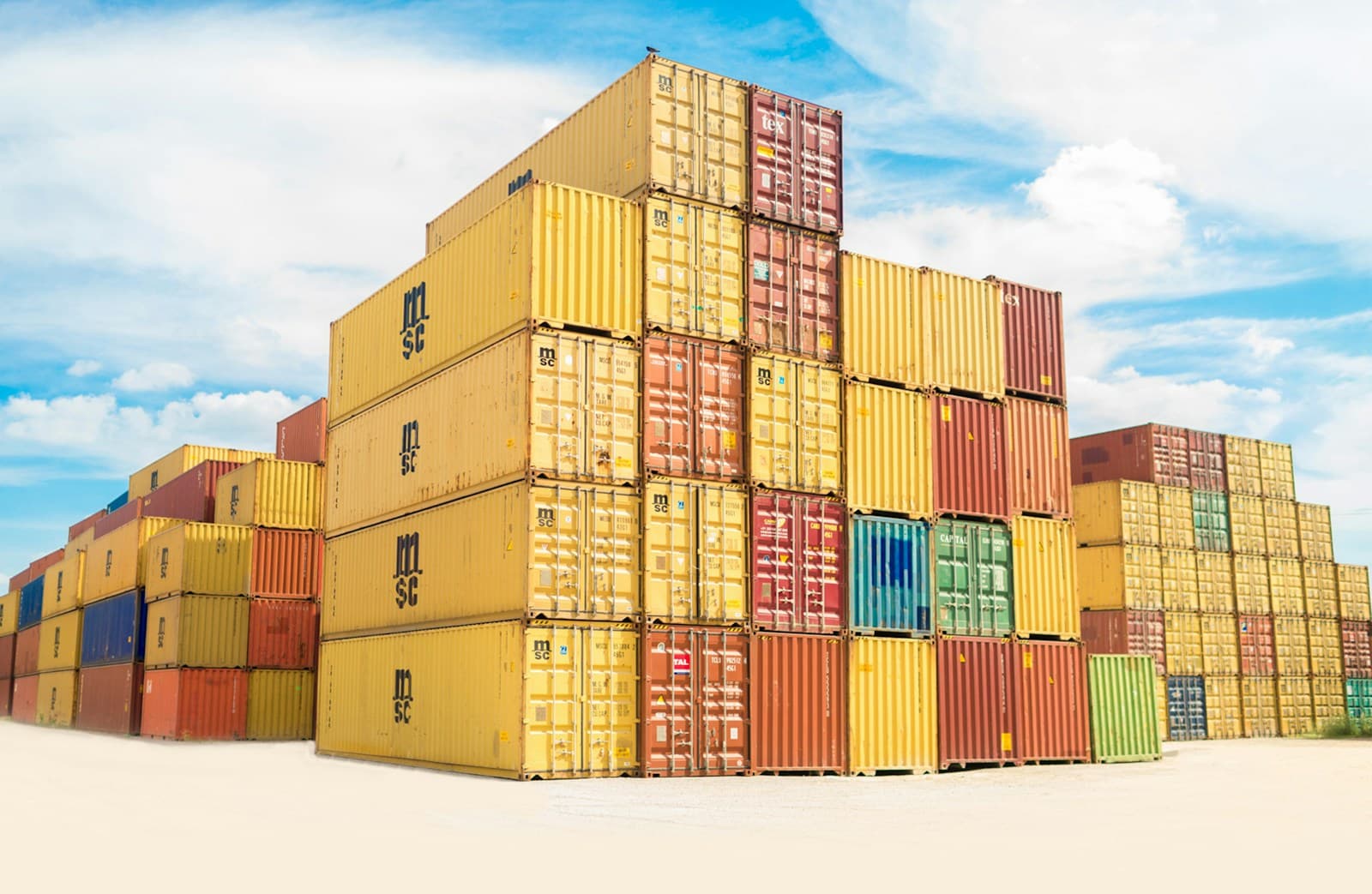
A sourcing-strategy view of how butyl rubber supply chains are being reshaped: the shift toward localization and nearshoring, stronger regional procurement, the role of Korean suppliers, and what reshoring and supplier diversification mean for procurement teams. All trend figures are public-data estimates, presented as directional context rather than guarantees.
Why Butyl Rubber Sourcing Is Being Localized
For most of the last two decades, industrial rubber sourcing followed a single logic: find the lowest landed cost, wherever in the world that happened to be. Since the pandemic-era disruptions, that logic has been re-weighted. Procurement teams now balance cost against resilience — the ability to keep a line running when a distant supplier, port, or trade lane goes offline. Butyl rubber, as an input to sealing tapes, waterproofing membranes, and NVH materials, sits squarely inside this shift. Note: the trend figures referenced in this article are estimates drawn from public industry commentary and should be read as directional context, not precise data.

"Localization" and "nearshoring" are related but distinct. Localization means sourcing closer to the point of use within a region; nearshoring means moving sourcing from a distant low-cost country to a nearer one. Both reduce the length and fragility of the chain. The drivers pushing butyl rubber procurement in this direction are consistent across surveys and industry commentary:
- Lead-time risk — Long ocean lanes add weeks of buffer inventory and expose programs to port congestion and freight-rate volatility
- Quality traceability — Automotive and construction OEMs increasingly demand lot-level documentation that is easier to obtain from a regional supplier
- Trade and tariff uncertainty — Shifting trade policy makes single-country dependence a strategic liability
- Total-cost rethink — When inventory carrying cost, expedite freight, and line-down risk are included, the "cheapest" distant source is often not the lowest total cost
The net effect is that buyers are no longer optimizing for unit price alone. They are building portfolios of suppliers with regional balance — and that opens room for capable, well-documented suppliers in markets like Korea.
The Role of Korean Suppliers in a Diversified Chain
Within an Asia-anchored supply base, Korean butyl rubber suppliers occupy a useful middle position: closer and more responsive to regional automotive and construction OEMs than far-shore alternatives, while operating under quality systems that global buyers recognize. For a procurement team building a diversified, dual-source strategy, a Korean butyl compound and tape supplier can serve as either a primary regional source or a qualified second source.

| Sourcing Criterion | What Buyers Are Asking For | How a Korean Supplier Fits |
|---|---|---|
| Quality system | IATF 16949 / ISO 9001 certification | Garmy operates under IATF 16949, ISO 9001, ISO 14001 |
| OEM approval | Tier 1 / OEM-approved status | Approved supplier to Hyundai, Kia, GM; supplies Henkel |
| Documentation | Lot-level certificate of analysis | Batch CoA provided per shipment |
| Customization | Custom formulation / die-cut | Custom compound grades and tape widths/thicknesses |
| Responsiveness | Faster regional lead times | Regional logistics shorten the chain vs. far-shore |
Garmy's position rests on a focused product set rather than breadth: butyl compound as the upstream raw material, plus butyl tape and self-adhesive sheet downstream. For a diversification strategy, this matters because a single qualified supplier can cover both the compound and the finished tape, simplifying the qualification burden.
- Dual-source qualification — Adding a regional second source de-risks single-country dependence without abandoning an incumbent supplier
- Compound-plus-tape coverage — Sourcing the raw compound and the finished tape from one qualified supplier reduces the number of audits and approvals to maintain
- OEM alignment — A supplier already approved by major automotive OEMs lowers the qualification effort for buyers serving those same programs
If your diversification plan needs a qualified regional source for upstream butyl raw material, Garmy's butyl compound is produced under IATF 16949 with lot-level CoA.
Related Product
Butyl Compound — Regional Raw-Material Source
Custom grades, batch CoA, IATF 16949 & ISO 9001 production
What Reshoring and Diversification Mean for Procurement Strategy
For a SCM or procurement-strategy lead, the localization trend is not an abstract macro story — it translates into concrete decisions about how many sources to qualify, where to hold buffer stock, and how to structure contracts. The practical playbook that has emerged across resilience-focused procurement teams looks broadly like this:

- Map single points of failure — Identify which butyl inputs depend on one supplier, one country, or one trade lane, and rank them by line-down impact
- Qualify a regional second source — For the highest-risk inputs, qualify a nearer supplier in parallel rather than waiting for a disruption to force the move
- Right-size buffer inventory — Localization can reduce — but rarely eliminate — the need for safety stock; recalculate buffers against the shorter, more reliable lead time
- Build cost models on total cost — Compare sources on landed cost plus carrying cost, expedite risk, and quality-failure cost, not unit price alone
- Lock in documentation requirements — Specify lot-level CoA and the quality certifications the program requires up front, so qualification is fast
None of this requires abandoning existing global suppliers. The dominant pattern is balance, not wholesale reshoring: keep a competitive incumbent, add a resilient regional source, and let the two compete on service and reliability over time. Garmy's butyl tape — install-ready, primer-free, and supplied with batch documentation — is positioned to be exactly this kind of qualified regional source for sealing and waterproofing programs.
For procurement teams adding a regional, well-documented second source for sealing tape, Garmy's butyl tape is built for fast qualification.
Related Product
Butyl Tape — Qualified Regional Second Source
Widths 15–300 mm, batch CoA, custom die-cut for OEM
FAQ: Butyl Rubber Supply Chain Localization
Q: How significant is the shift toward localized rubber sourcing?
A: Public industry commentary and procurement surveys consistently describe a meaningful move toward regionalization and supplier diversification since recent supply disruptions, though the precise scale varies by source and is hard to quantify exactly. The reliable signal is qualitative and directional: more buyers are qualifying regional second sources and weighting resilience alongside unit cost. Treat any specific percentage you encounter as an estimate.
Q: Does localization mean abandoning global suppliers entirely?
A: Rarely. The dominant strategy is diversification and balance, not full reshoring. Most procurement teams keep a competitive global incumbent while qualifying a nearer regional source for resilience. The goal is to remove single points of failure, not to optimize for geography at any cost.
Q: What makes a Korean butyl supplier a credible second source?
A: The combination of recognized quality systems (IATF 16949, ISO 9001), OEM-approved status, lot-level documentation, and regional responsiveness. Garmy, for example, operates under IATF 16949, ISO 9001, and ISO 14001, supplies Hyundai, Kia, and GM, and works with Henkel — credentials that shorten the qualification path for buyers serving the same programs.
Q: Can one supplier cover both compound and finished tape?
A: Yes, and that is an advantage for diversification. Garmy produces the upstream butyl compound and the downstream butyl tape and self-adhesive sheet. Sourcing both from a single qualified supplier reduces the number of audits, approvals, and relationships a procurement team must maintain, which lowers the cost of holding a second source.
Q: How should we evaluate total cost when comparing a local vs. far-shore source?
A: Go beyond unit price. Include inventory carrying cost for buffer stock, the expected cost of expedited freight during disruptions, quality-failure and rework cost, and the value of shorter, more predictable lead times. A nearer source with a slightly higher unit price often wins on total landed and risk-adjusted cost. Garmy's technical team can support this evaluation with material data and documentation.
Ready to qualify a resilient regional source for your butyl rubber sourcing?
Get in Touch
Custom Quote · Sample Request · Technical Inquiry
25+ years of butyl rubber expertise and IATF 16949 quality to serve as your qualified regional supply source.
Request a Quote →
