The EV Growth Curve and Butyl Rubber Demand: A Forecast Perspective

How rising electric-vehicle adoption is reshaping demand for sealing and vibration-damping materials. We examine battery and electronics sealing growth, the underlying market drivers, and the procurement-strategy implications — with a clear note that all adoption and demand figures are estimates, not guarantees.
Why EV Adoption Reshapes the Sealing-Material Conversation
The shift from internal-combustion engines to electric vehicles is usually framed around batteries, charging, and range. Less discussed — but materially important to anyone in the materials supply chain — is what the transition does to demand for sealing and vibration-damping rubber. The honest starting point: EV adoption rates and the resulting material demand are forecasts, not certainties. Adoption curves have repeatedly surprised analysts in both directions, so we treat every figure in this article as a directional estimate to be confirmed against current published data.
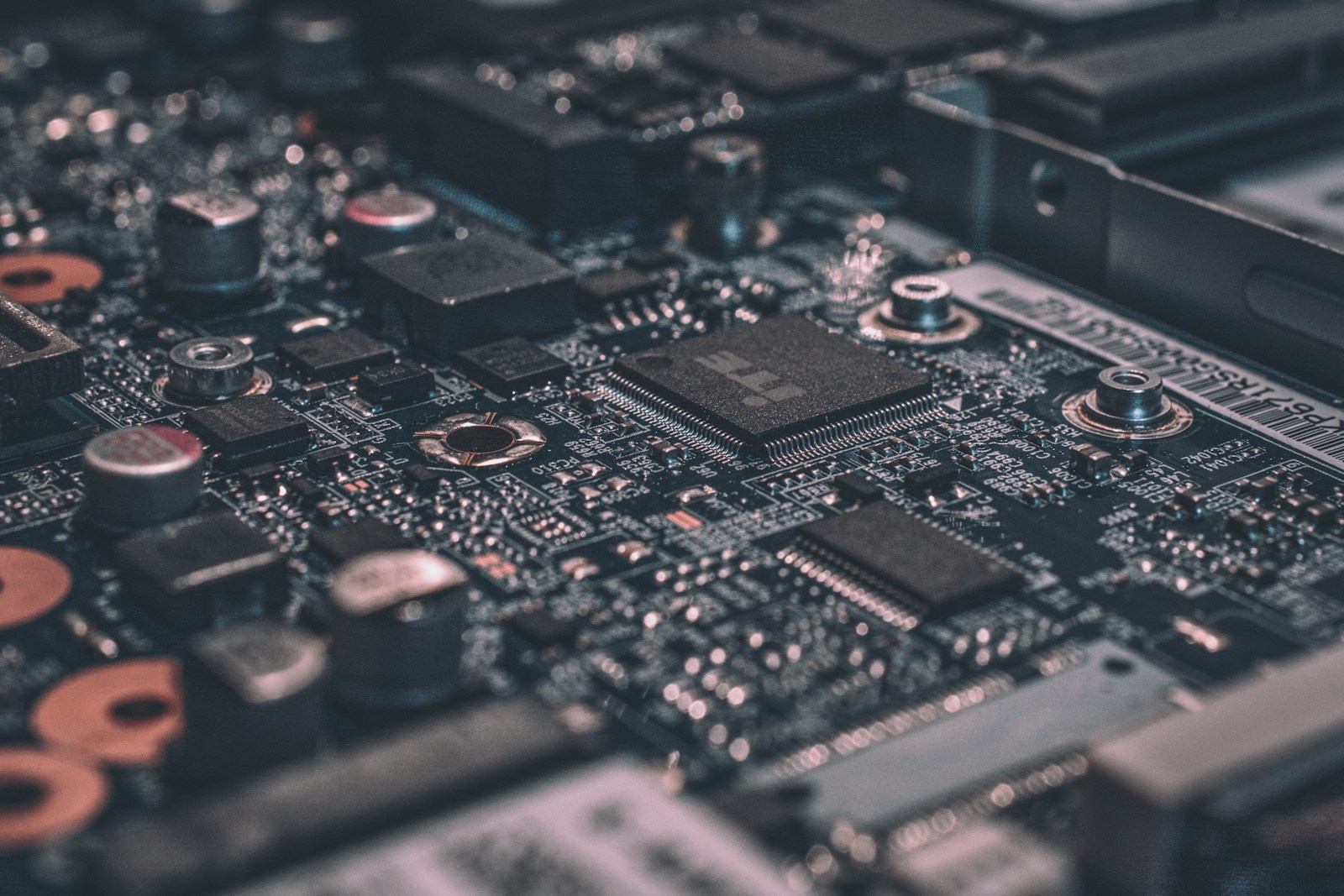
With that caveat in place, the structural logic is straightforward. An EV is not simply an ICE car with the engine swapped out. It introduces large, sensitive, water-averse battery packs; more power electronics; and a quieter cabin that exposes noises previously masked by engine sound. Each of those changes touches butyl rubber:
- Battery pack sealing — Lithium-ion packs must be protected from moisture ingress over a long service life. The pack perimeter and lid interfaces become critical sealing zones
- Power electronics enclosures — Inverters, on-board chargers, and DC-DC converters need moisture and dust sealing, often with EMI and thermal considerations layered on top
- NVH in a silent cabin — Without engine noise to mask it, road, wind, and electric-whine noise become more noticeable, increasing demand for damping treatments on body panels
- Connector and cable sealing — High-voltage systems multiply the number of sealed electrical interfaces, each a potential application for butyl-based sealing
None of this guarantees a specific growth number. But the direction — more sealed electrical interfaces and more NVH attention per vehicle — is consistent across the industry's public commentary.
Where Butyl Rubber Fits Across the EV Platform
To turn the trend into something actionable, it helps to map specific EV subsystems to the butyl product that typically serves them, along with the primary performance driver. The table below is a directional guide based on common application patterns — exact specifications always depend on the OEM program, and the volume column reflects expected directional growth rather than measured market data.

| EV Subsystem | Butyl Product Fit | Primary Driver | Demand Direction |
|---|---|---|---|
| Battery pack perimeter | Butyl tape (2–3 mm) | Moisture barrier + vibration | Up |
| Battery lid / housing seal | Butyl compound, die-cut tape | Long-life watertightness | Up |
| Inverter / OBC enclosure | Butyl tape, compound | Dust + moisture sealing | Up |
| HV connector / cable entry | Butyl compound | Sealed electrical interface | Up |
| Body panel NVH | Vibration damping pad | Quieter EV cabin | Up |
| Headlamp / lighting | Butyl tape (1 mm) | Stable across powertrains | Flat |
A few patterns are worth drawing out for procurement planning:
- Sealing content per vehicle tends to rise — More sealed electrical interfaces mean more linear meters of sealing material per EV than per comparable ICE vehicle, in directional terms
- Damping demand follows cabin quietness — As cabins get quieter, OEMs add targeted damping treatments, which supports vibration-damping material demand
- Quality bar rises with safety stakes — Battery sealing is a safety-adjacent application, so OEMs lean toward suppliers with rigorous quality systems and full traceability
For EV battery and electronics sealing where moisture-barrier consistency is non-negotiable, Garmy's butyl compound is formulated and verified under an IATF 16949 quality system with lot-level CoA.
Related Product
Butyl Compound — Battery & Electronics Sealing
High-viscosity butyl base, custom formulation, IATF 16949 with batch CoA
What This Means for Procurement Strategy
For an analyst or procurement decision-maker, the takeaway is not a single forecast number — it is a set of strategic implications that hold true across a range of adoption scenarios. Even if EV adoption lands at the lower end of estimates, the per-vehicle direction of sealing and damping content still points upward. That makes the following procurement moves robust to forecast uncertainty.

- Qualify suppliers on quality systems, not just price — Battery-adjacent sealing is safety-sensitive. A supplier under IATF 16949 with traceable lot CoA reduces qualification risk compared with a low-cost supplier lacking automotive-grade discipline
- Secure formulation flexibility early — EV programs frequently iterate on pack design. A supplier able to adjust viscosity, color, and form (tape, compound, die-cut) without re-qualifying the entire base material shortens your development loop
- Plan for dual-use across powertrains — Many sealing applications (headlamps, body panels) are shared between ICE and EV. Sourcing from a supplier serving both reduces fragmentation in your bill of materials
- Treat demand figures as scenarios — Build procurement plans around a range, not a point estimate. The structural drivers favor growth, but the timing and magnitude remain uncertain
Garmy's position in this market is grounded in 25+ years of butyl-rubber formulation and an existing footprint with demanding automotive customers including Hyundai, Kia, and GM, plus the adhesives specialist Henkel. The same compound platform that supplies headlamp and panel sealing for conventional vehicles extends directly to EV battery and electronics sealing — verified under IATF 16949, ISO 9001, ISO 14001, and Hyundai SQ.
For EV body-panel NVH and high-volume sealed interfaces, Garmy's butyl tape ships in 1–3 mm thicknesses with custom die-cut shapes for OEM lines.
Related Product
Butyl Tape — EV Sealing & Damping Interfaces
Widths 15–300 mm, thickness 1–3 mm, OEM die-cut shapes, IATF 16949 production
FAQ: EV Growth and Butyl Rubber Demand
Q: Are the EV adoption and demand figures in this article reliable forecasts?
A: They are directional estimates, not guarantees. EV adoption curves have surprised analysts in both directions, and material-demand projections inherit that uncertainty. We have deliberately avoided quoting precise growth percentages. The structural drivers — more sealed electrical interfaces and more NVH attention per vehicle — are well established, but any specific number should be confirmed against current published research before use in a commercial decision.
Q: Why does an EV need more sealing material than a comparable ICE vehicle?
A: In directional terms, EVs add large battery packs, more power-electronics enclosures, and additional high-voltage connector and cable interfaces — each a sealed zone protecting against moisture and dust. ICE vehicles certainly use sealing too, but the multiplication of sealed electrical interfaces in an EV pushes per-vehicle sealing content upward. Exact figures vary by platform and should be treated as estimates.
Q: Why is vibration damping more relevant in EVs?
A: Without engine noise to mask them, road, wind, and electric-motor whine become more audible in an EV cabin. To preserve perceived quality, OEMs apply targeted damping treatments to body panels. This supports demand for vibration-damping materials. Garmy supplies butyl-rubber-based damping pads as a Tier 1 approved material to Hyundai, Kia, and GM.
Q: Is Garmy's existing automotive compound suitable for EV battery sealing?
A: The same high-viscosity butyl compound platform that serves conventional automotive sealing extends to EV battery and electronics applications, with formulation adjustments for the specific moisture-barrier, thermal, and vibration requirements of a given program. Battery sealing is safety-adjacent, so it is produced under our IATF 16949 system with lot-level CoA and full traceability. Contact our technical team to discuss program-specific requirements.
Q: How should procurement teams hedge against forecast uncertainty?
A: Build plans around a range of adoption scenarios rather than a single point estimate, and qualify suppliers on quality systems and formulation flexibility rather than price alone. Because many sealing applications are shared between ICE and EV platforms, sourcing from a supplier serving both reduces bill-of-materials fragmentation and keeps you robust whether EV adoption runs fast or slow.
Ready to align your sealing-material supply with the EV transition?
Get in Touch
Custom Quote · Sample Request · Technical Inquiry
25+ years of butyl rubber expertise and IATF 16949 quality, supplying Hyundai, Kia, GM, and Henkel — ready to support your EV program.
Request a Quote →